Today, I met the “Worm Whisperer” of Oak Park.
She’s only been worm composting for a year, but this woman knows how to get the most out of garbage.
The Worm Whisperer nickname came from a fellow classmate this morning after our instructor, Theresa, informed us that she can tell when the compost mixture is too wet because she can hear the worms.
I suppose it’s not that surprising. When you have more than a pound of worms — that’s about 1,000 infant to full-grown red worms — it makes sense that there would be some noise, at least to a trained ear, if they’re sloshing around a tub of mud and decomposing veggies.
Think that’s gross? You don’t know the half of it. Worm composting is not for the faint of heart. It’s a more involved process than I was expecting. And I’m absolutely thrilled that I’m doing this.
It’ll take about three months before I can start harvesting the soil from the bin I assembled in class at the Oak Park Conservatory. But I expect my veggies will love me for the effort. These slimy creatures will be creating some primo fertilizer and something called vericompost tea.
This is not a drinkable concoction. But apparently perennials drink it up and show their gratitude with abundant blooms.
Getting started with worm composting is pretty easy and most of the supplies are likely readily available.
Here’s a step-by-step if you’re looking to find a year-round way to compost kitchen scraps and have a constant supply of high quality soil for houseplants and gardens:
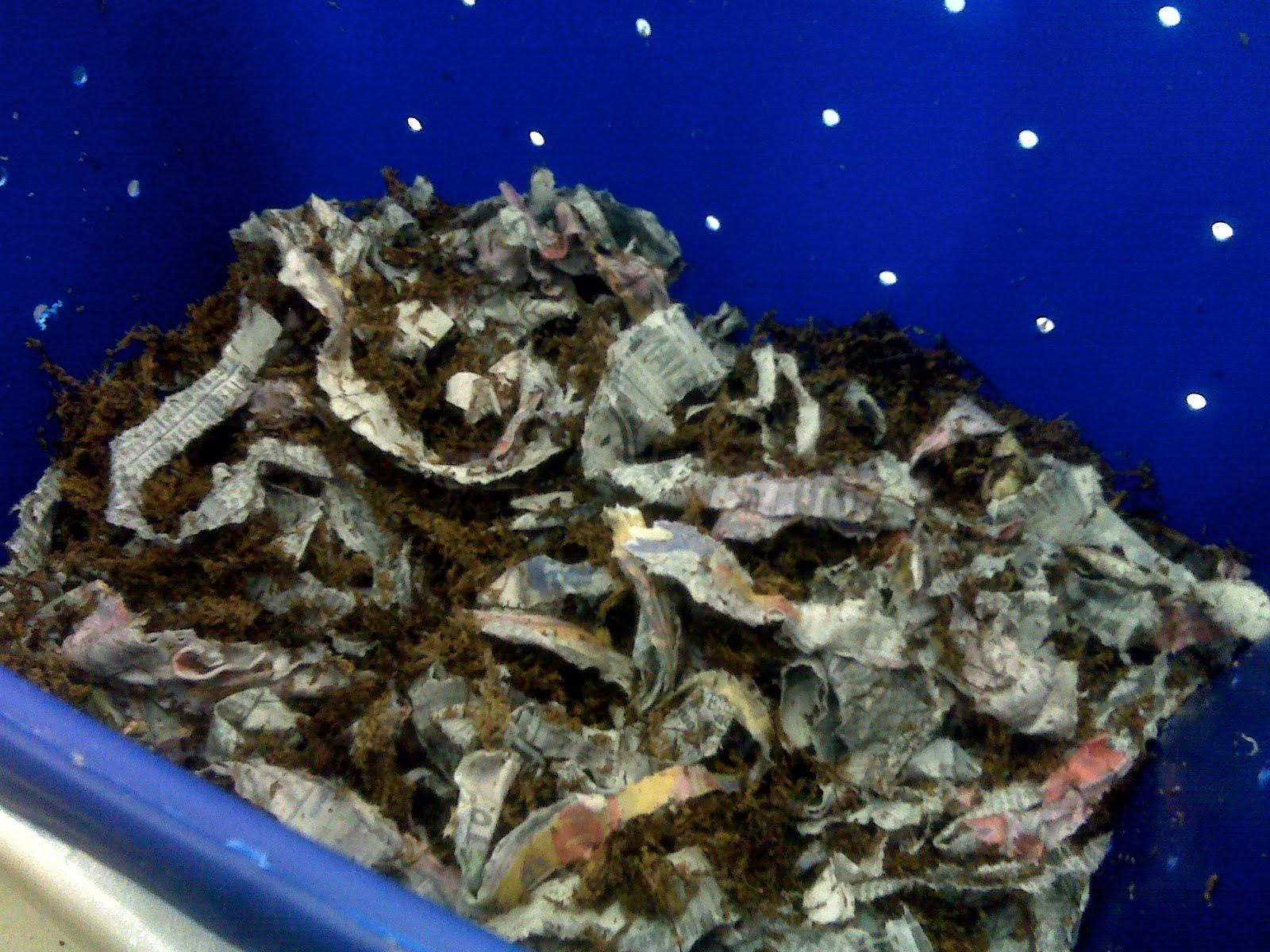 Supplies:
10-gallon tote, dark color
Drill w/ quarter inch drill bit
1 pan to catch any drippings from the bin (and something to slightly elevate the bin above the tray, like blocks or old plastic apple sauce containers)
Two sections of newspaper, wet and torn into long strips
Four large handfuls of moist stringy moss
12 cups of moist potting soil
1 pound of red worms
Steps:
1. Drill holes in the sides, top and bottom of the tote to create good airflow and drainage.
2. Tear up strips of newspaper until you can’t see the bottom of the tub.
3. Mix in the moss.
4. Mix in the soil.
5. Add worms and some veggies.
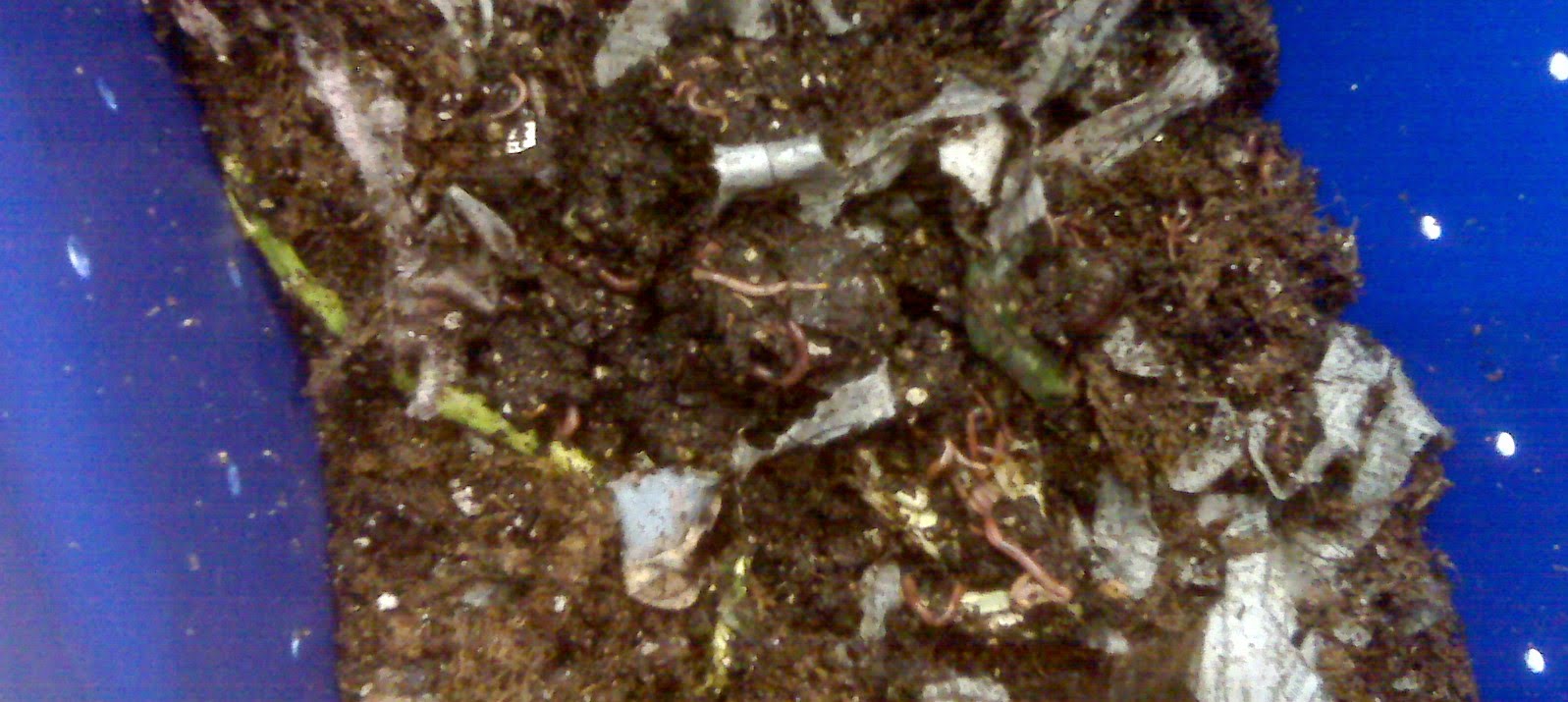
That’s it for the mechanics.
I learned all sorts of tips about what’s particular good to compost, what the worms 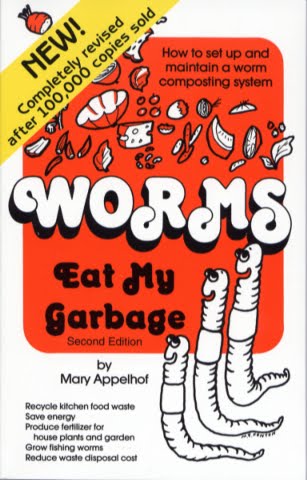 like most of all (watermelon and cantaloupe rind) and least (anything acidic, especially pineapple and onions).
Now the challenge will be working in a composting routine. I’m still not used to having food waste on my counter. I’ll probably get a container for it. But for now and while I wait the week before I give my worms their first feeding, I’m taking Theresa’s advice and throwing kitchen scraps that don’t make it to the guinea pig, into a freezer bag. Apparently the freezing will help move along the decomp process anyway.
Theresa also recommended a book I may need to pick up, “Worms Eat My Garbage” by the “Worm Woman” Mary Appelhof.
Next up: outdoor compost.
There are no classes on this topic yet at the Conservatory. But Theresa’s working on it, along with her push to get beekeeping okayed in the village. Can’t wait.
 Virtual Farmgirl
Worms Eat My Garbage is a must-have book for this. Well worth it.
LikeLike
When I lived “in Town”, I always froze my compost because I had no compost and it keeps the raccoons, and dogs, etc… from getting into your trash. You do have to remember the bags on Trash Morning though.There are many compost “containers” for the home counter top on the market. If you don't dump it every 2-3 days it will stink a bit without a lid and washing it out occasionally also helps. On the counter has always been the easiest for me, but you can keep it under the sink and pull it out during meal prep times too. Enjoy the worms!
LikeLike
Worms Eat My Garbage is a must-have book for this. Well worth it.
LikeLike
When I lived “in Town”, I always froze my compost because I had no compost and it keeps the raccoons, and dogs, etc… from getting into your trash. You do have to remember the bags on Trash Morning though.There are many compost “containers” for the home counter top on the market. If you don't dump it every 2-3 days it will stink a bit without a lid and washing it out occasionally also helps. On the counter has always been the easiest for me, but you can keep it under the sink and pull it out during meal prep times too. Enjoy the worms!
LikeLike